Left hip fracture

Write the following in proper terms. A patient identified with a left hip fracture, write a nursing diagnosis, a smart goal, evaluation of goal, and patient teaching.

Create a patient handout where you will teach the patient what he has learned about the nursing diagnosis with very simple terms

Modified radical mastectomy

Mrs. V. Reyes, 50-year-old, married and scheduled for a modified radical mastectomy. She was diagnosed with Breast Ca due to abnormality in her left breast accompanied by palpable axillary lymph nodes. In her visit to the MD’s clinic, she reported episodes of deep aching pain awakened her at night. The unexplained weight loss for several weeks accompanied by loss of muscle strength prompted her to seek medical advises, thus consulted. She also had a strong family history of cancer. Due to client’s physical and family history, the MD performed series of breast examinations including mammogram. A primary tumor was found about 5.5 cm in diameter at the upper left corner of her left breast but no evidence of spread to underlying lymph nodes and surrounding organs. Local breast excision followed and biopsy revealed positive with cell carcinoma.

Thorough conversation was done between the surgeon and client in relation to the surgical treatment and medical oncology. Modified radical mastectomy was discussed with the inclusion of healthy tissues around the tumor, called the margin; to make sure that the entire tumor is removed. Adjuvant therapy to be followed such as chemotherapy to lower the risk of recurrent and get rid of remaining cancer cells in the body. Reconstructive surgery was also offered but the patient refused.

Prior to her schedule of MRM, diagnostic studies were done, chest radiograph performed as normal, complete blood count showed decrease level of hemoglobin, hematocrit and monocytes concentrations. Fasting blood sugar – 110mg/dl, no abnormal ECG findings, V/ S within normal. No medications ordered except for Multivitamins to boost immune system.

  1. Identify the abnormal breast findings by performing the appropriate breast examination techniques.
  2. Formulate atleast 2 nursing diagnosis and design a nursing care plan prior to surgical intervention
  3. Formulate another 2 Nursing diagnosis and design a nursing care plan post-surgical intervention
  4. Discuss different kinds of chemotherapeutic agents used for clients with breast Ca.
  5. Examine the risks and benefits of chemotherapeutic intervention to client with breast Ca
  6. If there are nursing procedures to bed one on the client, discuss briefly the important nursing responsibilities in performing such procedure.

medications to infants

Interventions for promoting the safe administration of medications to infants. Sophie is a 2 year-old who weighs 32 lbs. and has been ordered acetaminophen (Tylenol) 400 mg PO every 4 hours prn for temp higher than 101 F. The label reads 120 mg/5mL. Calculate how many milliliters of the medication Sophie will receive. She is also ordered cefdinir (Omnicef) oral suspension 7 mg/kg every 12 hours for 10 days. The label states it comes as 125 mg/5mL. The medication is to be reconstituted with 63 mL of water to yield 100 mL. Calculate how many milliliters of the medication Sophie will receive. Describe how the medication will best be administered.

Life-threatening illness

As a medical assistant, you will likely encounter working with a patient who has a life-threatening illness. This can be emotionally challenging for you and the patient. For this writing assignment, write out in your own words, what you feel is the best therapeutic response to your patient with a life-threatening illness?Instructions:Please develop a response to the prompt above. Write one paragraph (or more) that answers the prompt above. Your paragraph should be formatted with a topic sentence followed by 3-5 other sentences that support your topic sentence. The last sentence in your paragraph should conclude your thoughts or statements.

Vast probability chart

In the not-too-distant future, given our developing knowledge and statistical abilities, medical science may allow health care providers to take a DNA sample from a fetus and create a vast probability chart—a type of medical horoscope for the infant. From this, one could fashion a lifestyle precisely tuned to our genetic predispositions:

We may find that we can smoke without fear of cancer.

We may need to avoid red meat to avoid a stroke in our mid-forties.

We may be able to not worry about using sunscreen on the beach.

We may find that we should avoid living near or working at manufacturing plants that create plastics.

Our knowledge of genetics may free us from a whole range of fears that health care professionals feel obliged to warn the whole population against. Instead of following every “good for you” health rule, we can be more precise and personal in our health care efforts. On the other hand, the probability chart may warn us of a future horrific illness.

What if the predisposition is for a horrific disease without a current cure? Could the personal probability chart become the basis for the ultimate preventive medicine, abortion?

Periostomal skin

Explain fully four complications that can be seen at or around the stoma or periostomal skin. Discuss what interventions or assessments the nurse would provide for each complication. Cite reference.

cultural competence

Define the term cultural competence and discuss what characteristics a nurse should demonstrate to be considered culturally competent. Discuss one transcultural theory that supports your answer and provide a reference.

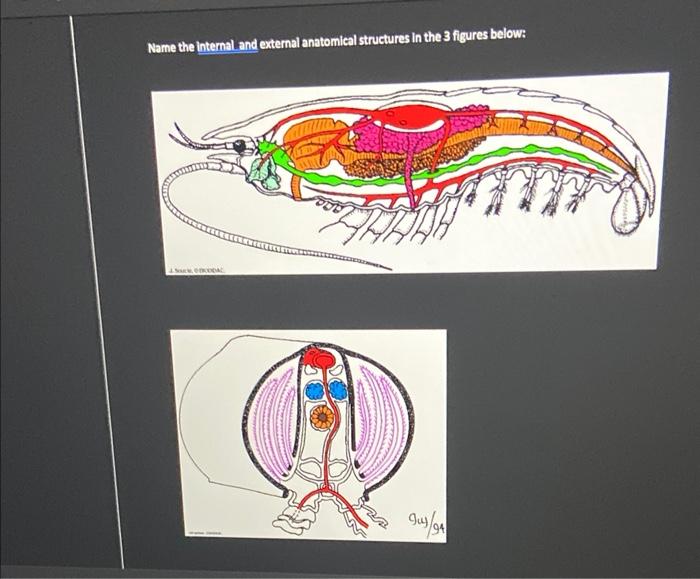
Internal and external anatomical structures

Name the internal and external anatomical structures in the 3 figures below:

Name the intemal and external anatomical structures in the 3 figures below:

Drawbacks of using sulfites and nitrites

what are advantages and drawbacks of using sulfites and nitrites as food preservatives.

Define optimal conditions for enzyme activity

Define optimal conditions for enzyme activity. How can you determine (i)optimal temperature and (ii) optimal of an enzyme?